Section
Power math
Watt-hours, running versus surge watts, usable versus advertised capacity, chemistry and certifications: the math behind every pick.
13 articles
-
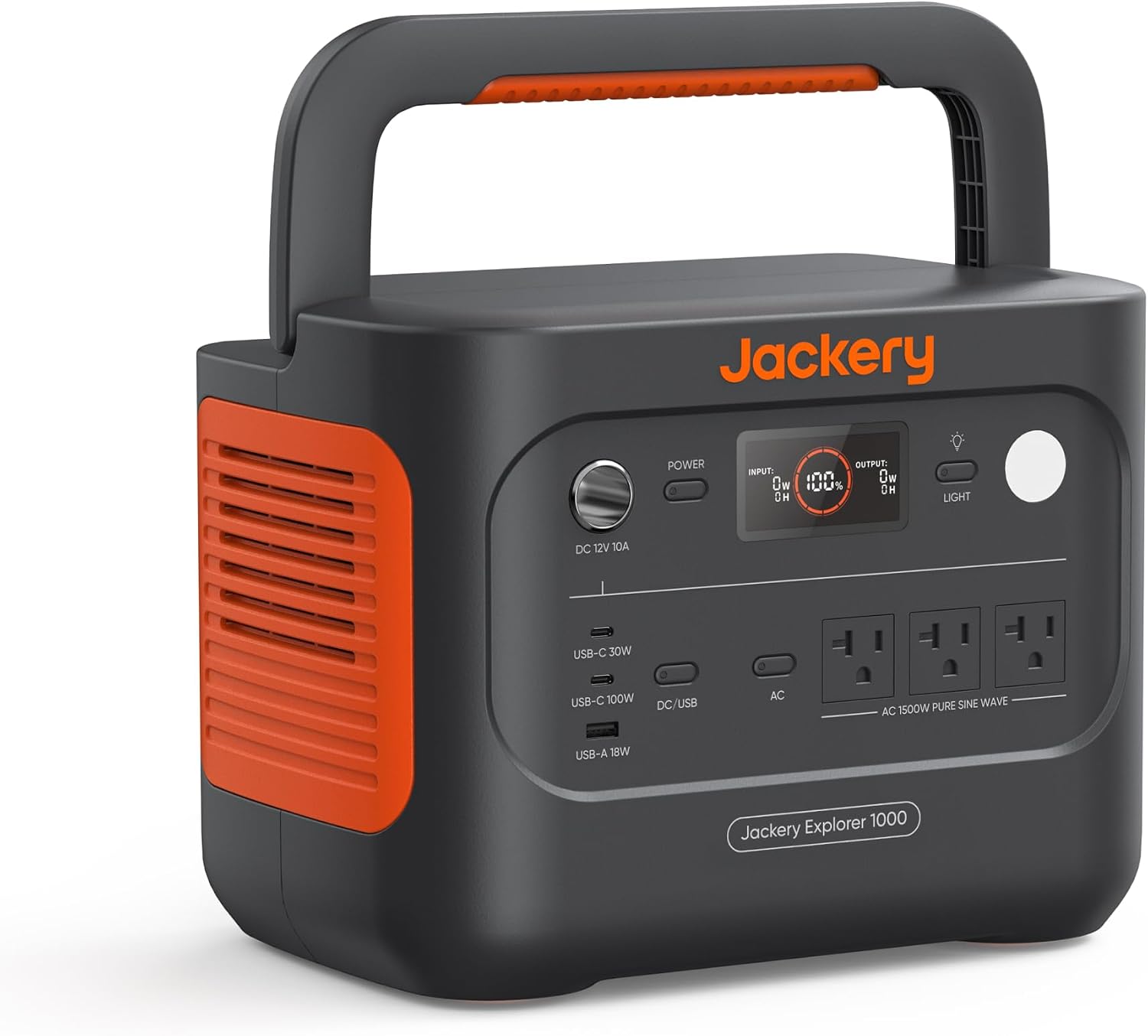
Can you fly with a power station? The FAA's watt-hour lines, and what they mean for every unit on this site
The FAA's three watt-hour tiers for lithium batteries, why almost no power station clears them, the airline-approval band, and what a CPAP traveler packs.
-
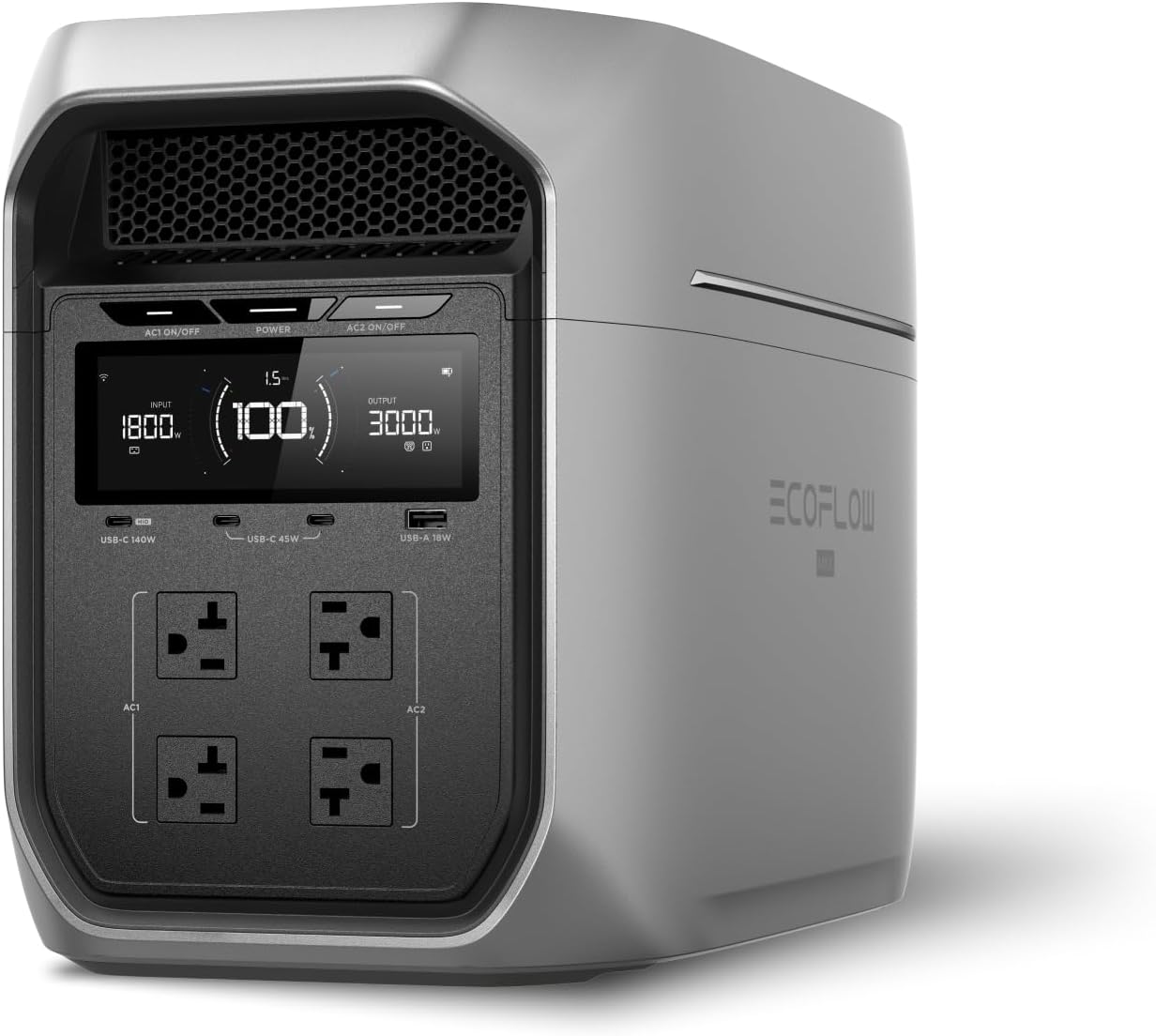
How long do power stations last? Cycles, calendar years and the shelf, from the makers' own figures
What a cycle rating promises and to what capacity, how calendar aging and storage habits shorten it, and EcoFlow's published storage rules.
-
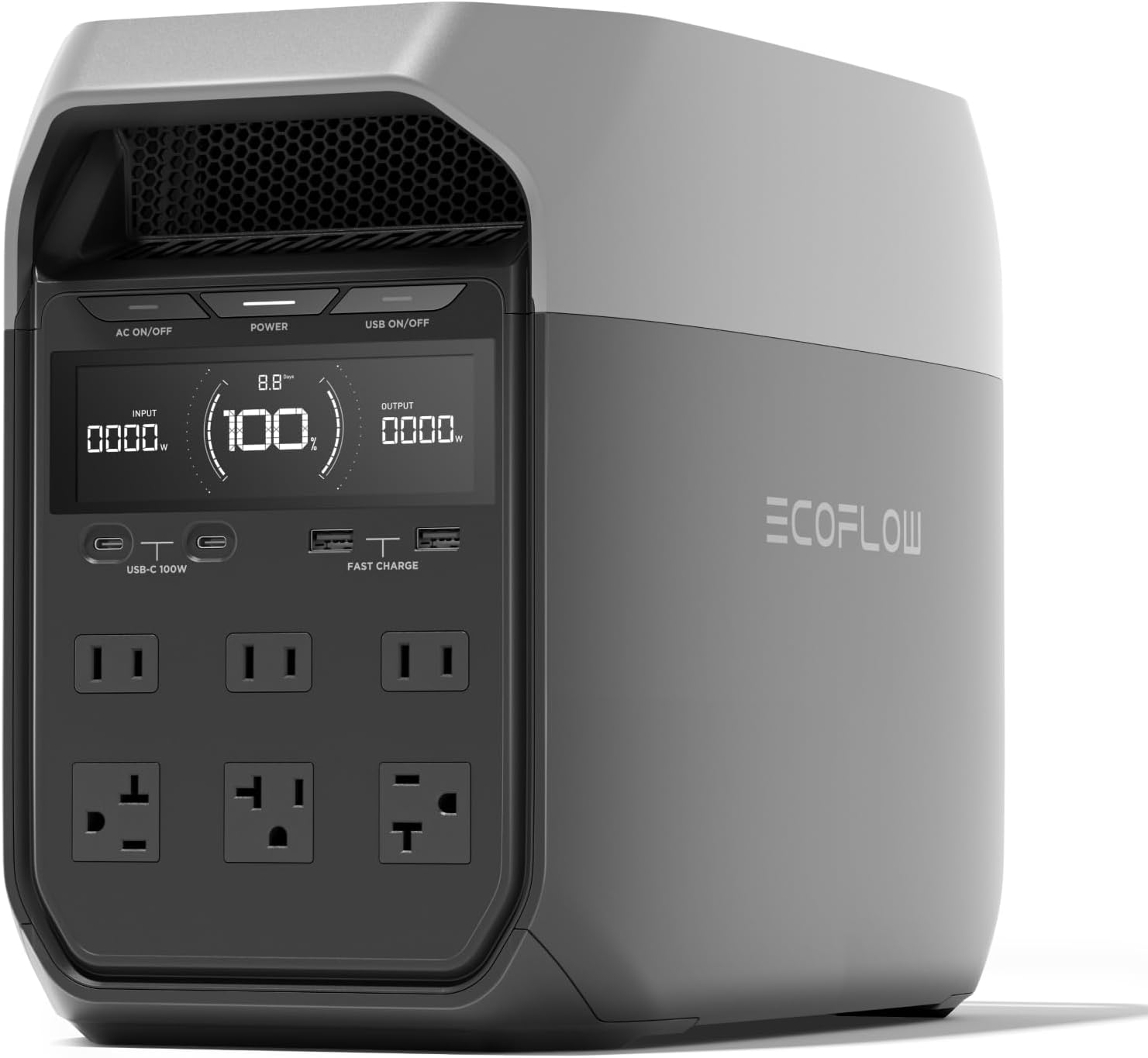
How many watts does a chest freezer use? Three ENERGY STAR sizes, and what they mean in an outage
Average draw for 10, 16 and 22 cubic foot chest freezers from their ENERGY STAR listings, the compressor start-up caveat, and USDA's 48-hour rule.
-
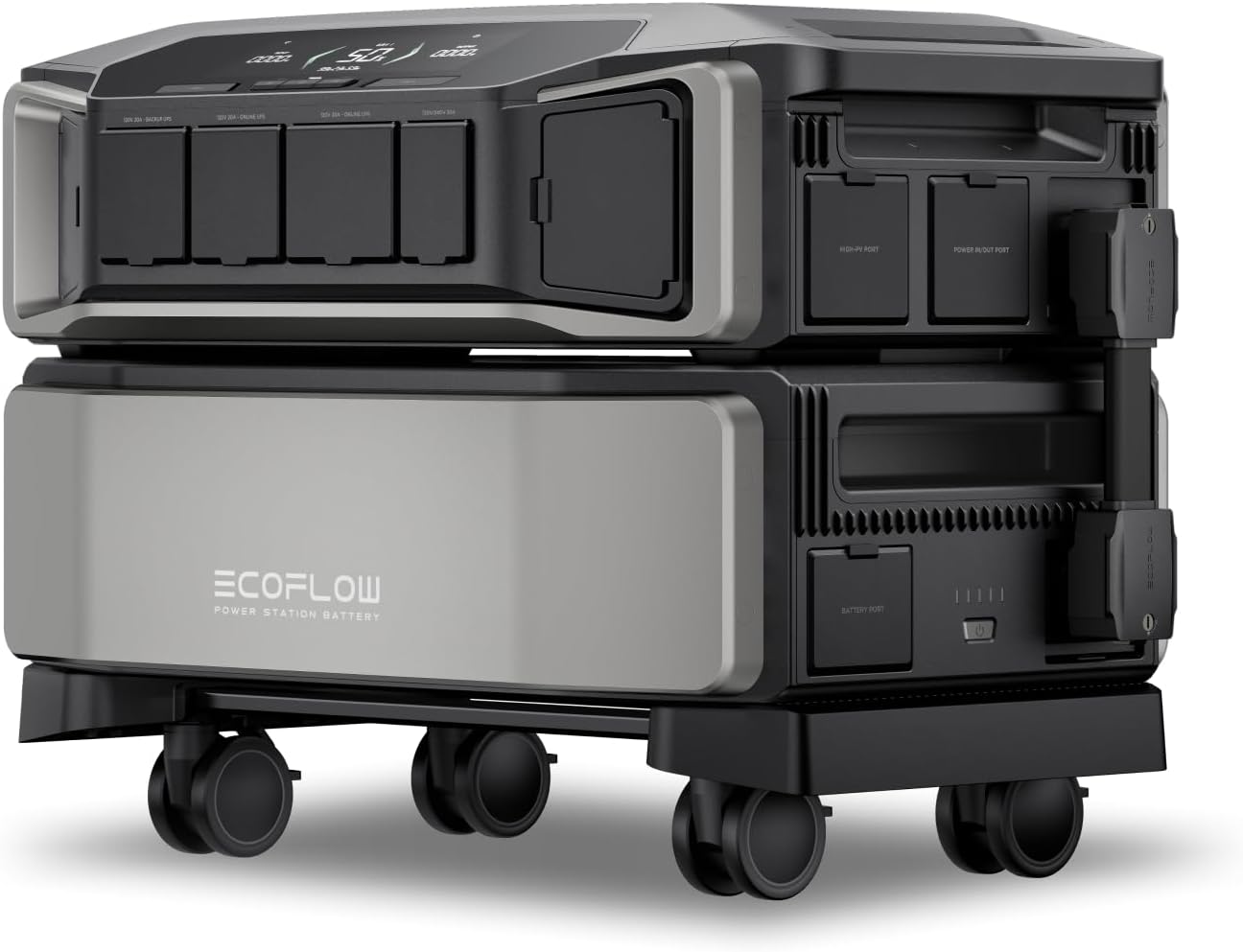
How many watts does a well pump use? Franklin's motor table, running and locked rotor
Running watts and locked-rotor start for 1/3 to 1 HP well pump motors from Franklin Electric's data, the duty cycle from real water use, and the battery math.
-
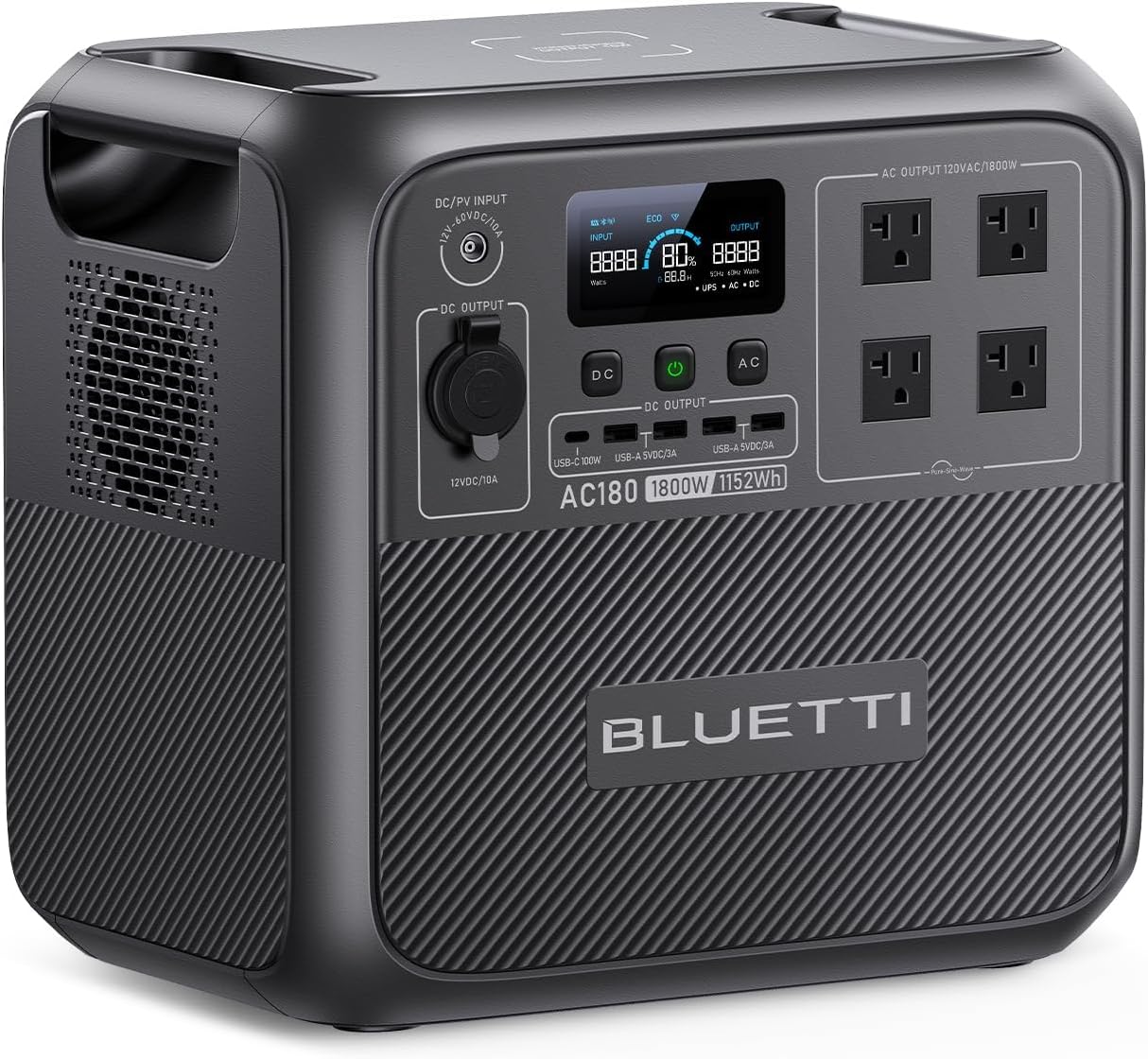
Pass-through charging and UPS mode explained: leaving the battery plugged in so the outage finds it full
What pass-through charging is, how a power station's UPS mode differs from a real UPS, the switchover times makers state, and how to set one up.
-
Solar panel watts vs real charge time: why a 400 W panel is a 300 W panel, and what that does to your day
What a panel's rated watts mean, EcoFlow's own figure for real output, each power station's solar input ceiling, and the sun-hours a refill actually takes.
-
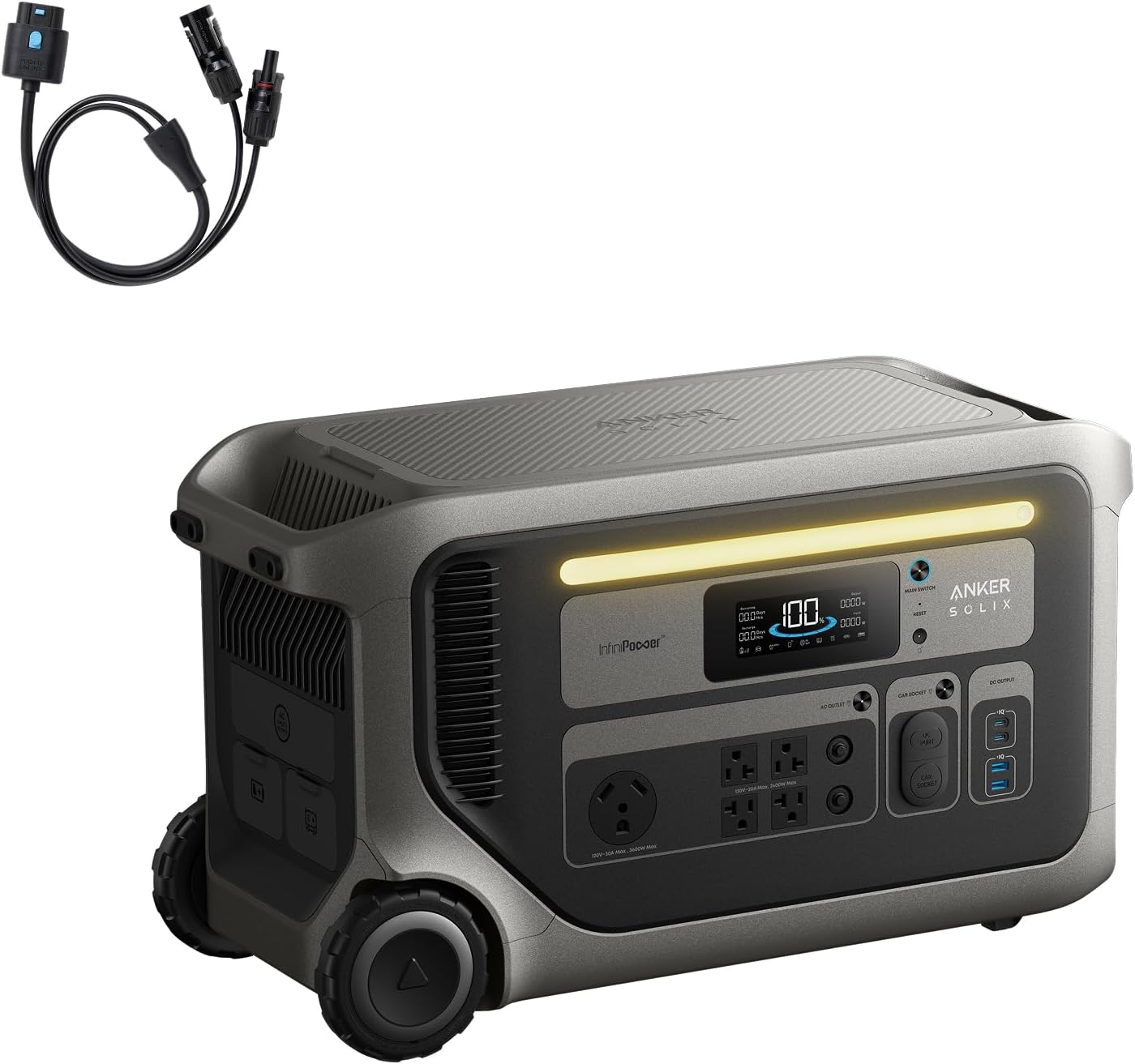
UL 2743, UL 9540 and UL 1973 explained: what a power station's safety listing actually covers
The three listings that matter for home batteries in UL's own scope language, why a UL94 flame rating is not one of them, and which makers state what.
-
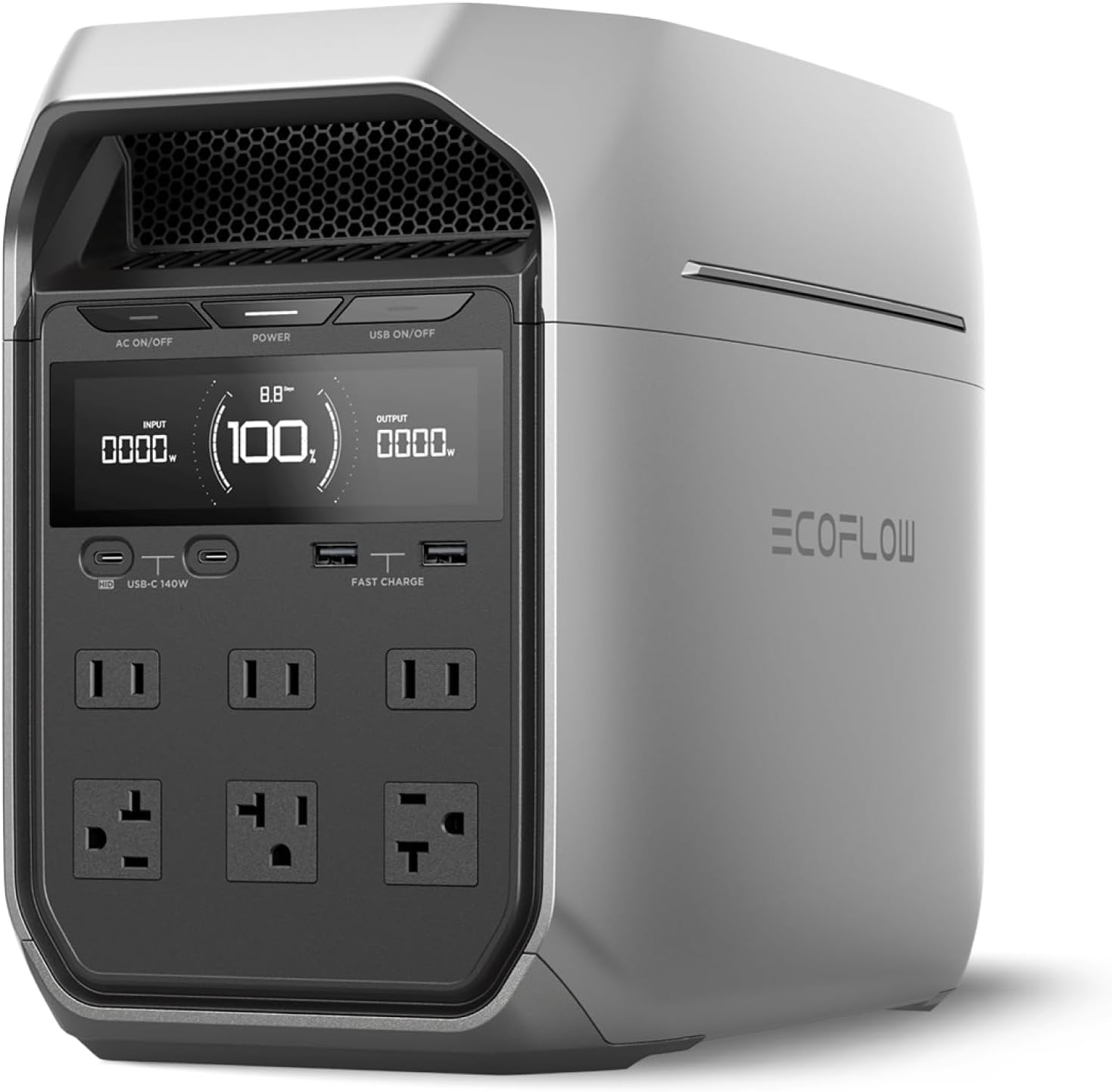
Watt-hours explained for homeowners: the one unit every backup decision runs on
Watts, watt-hours and kilowatt-hours in plain terms, the conversions from amps and volts, and the two mistakes that oversize or undersize a backup battery.
-
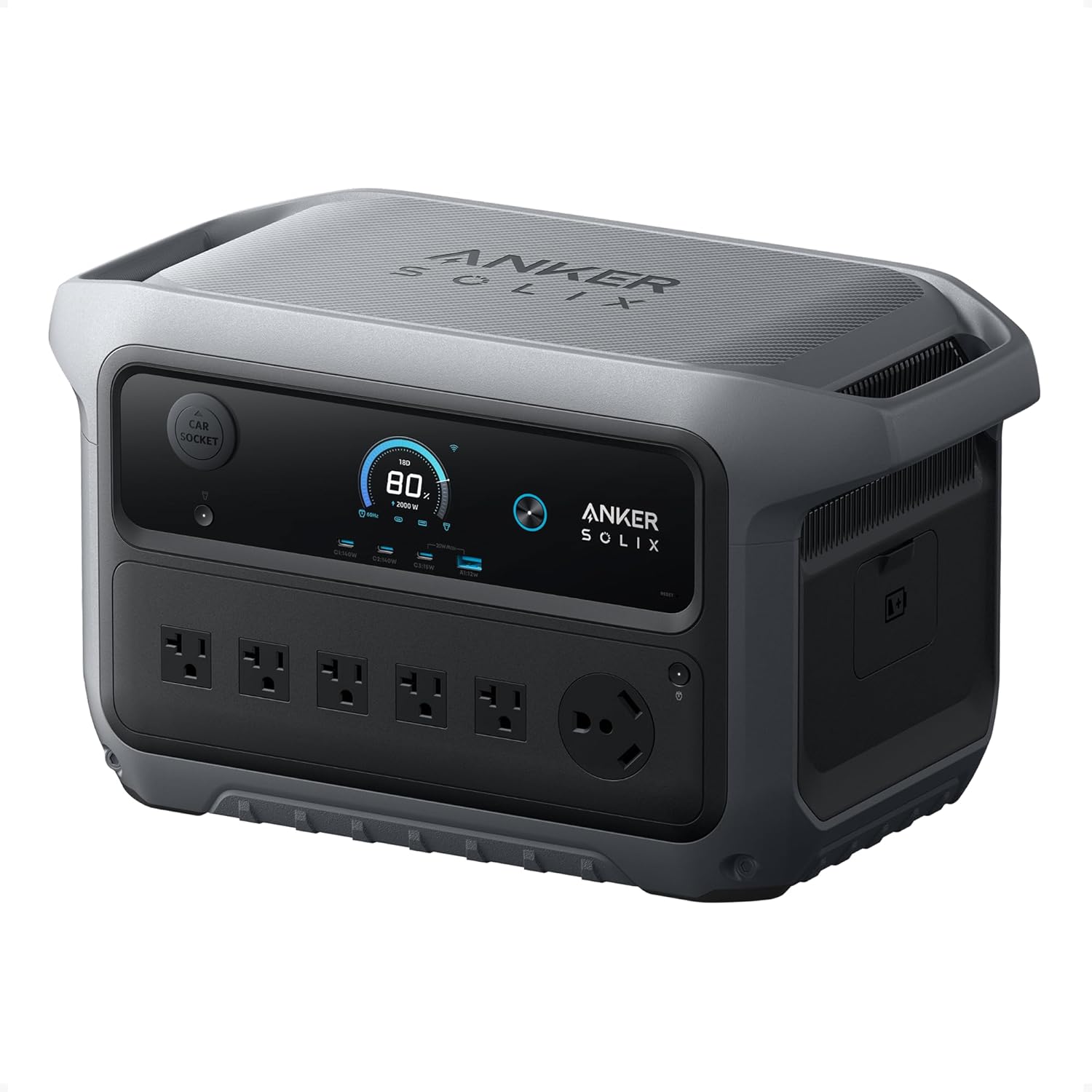
How many watts does a refrigerator use? Read it off the yellow label
The EnergyGuide method for a real average draw, two ENERGY STAR models worked through, and why the compressor's start-up spike is not on the label.
-
LiFePO4 vs NMC power stations: what the chemistry changes, in the makers' own numbers
Cycle life, weight, cold behaviour and what a cycle rating actually promises, compared on two Jackery units that differ mainly in chemistry.
-
How many watts does a sump pump use? Four real pumps, from the nameplate
Running watts for four common sump pumps from the makers' spec sheets, the one published locked-rotor figure, and the math from watts to a night's watt-hours.
-
Running watts vs surge watts: the number that trips a battery before capacity ever matters
What continuous and surge ratings promise, why motors spike at start-up, how to read locked-rotor amps, and why boost modes do not count for a pump.
-
Usable capacity vs advertised: why a 2,048 Wh battery delivers about 1,740 Wh at the outlet
Where the watt-hours go between the sticker and your appliance: depth of discharge, inverter loss and idle draw, and the formula the makers themselves publish.